The California Off-Road Vehicle Association is calling on our members, clubs, business partners, and the entire OHV community to participate in an important federal public-comment period that could influence how millions of acres of National Forest lands are managed in the future.
The U.S. Forest Service has formally proposed rescinding the 2001 Roadless Area Conservation Rule, commonly known as the Roadless Rule. The proposal was published in the Federal Register on August 20, 2026, under Docket FS-2025-0001. A Draft Environmental Impact Statement (DEIS) and supporting materials are also available for public review. CORVA strongly encourages every member who cares about responsible motorized access, healthy forests, wildfire prevention, and multiple-use recreation to submit a comment.
Public comments are due September 21, 2026.
The Roadless Rule was adopted nationally in 2001 and generally restricts road construction, road reconstruction, and certain timber activities within designated Inventoried Roadless Areas of the National Forest System.
The Forest Service is now proposing to rescind the national rule in its entirety. More than 44 million acres remain subject to the national Roadless Rule, making this a significant federal land-management decision. The proposal does not apply to the separate state-specific Roadless Rules governing Idaho and Colorado.
For California, where National Forest lands provide enormous opportunities for OHV recreation, camping, hunting, fishing, dispersed recreation, and access to remote public lands, CORVA believes our community needs to be part of this discussion.
This distinction is extremely important.
The 2001 Roadless Rule remains in effect today.
The Forest Service has proposed rescinding it. The agency must complete the federal rulemaking process and consider public comments before making a final decision. Rescission also would not automatically reopen closed OHV trails, change Motor Vehicle Use Maps, authorize cross-country travel, or approve construction of new roads.
Existing Forest Plans, route designations, MVUMs, Wilderness designations, environmental laws, and other applicable requirements would continue to govern activities on National Forest lands. Instead, the significance of the proposal is what could happen over time.
Removing the nationwide Roadless Rule could provide individual National Forests with greater flexibility when considering future decisions involving roads, wildfire mitigation, fuels reduction, forest management, emergency access, recreation, and other multiple uses.
California's National Forests are not all the same.
The Sierra Nevada, Southern California forests, North Coast, Cascades, and eastern California forests face very different conditions involving wildfire, vegetation, terrain, recreation demand, existing transportation systems, and surrounding communities.
CORVA believes these decisions should be based on current conditions, sound science, site-specific analysis, and meaningful involvement from the people and communities who actually use these lands.
California has also experienced devastating wildfires. Roads and motorized routes can serve purposes far beyond recreation. Depending on location, they can provide access for firefighters, fuels-reduction projects, prescribed fire, search and rescue, emergency response, forest restoration, maintenance, and post-fire recovery. Responsible public access and conservation do not have to be opposing objectives.
Good management can accomplish both.
This rulemaking presents an opportunity for the OHV community to make an important point:
Responsible motorized recreation is a legitimate use of our National Forests and must be considered when future land-management decisions are made.
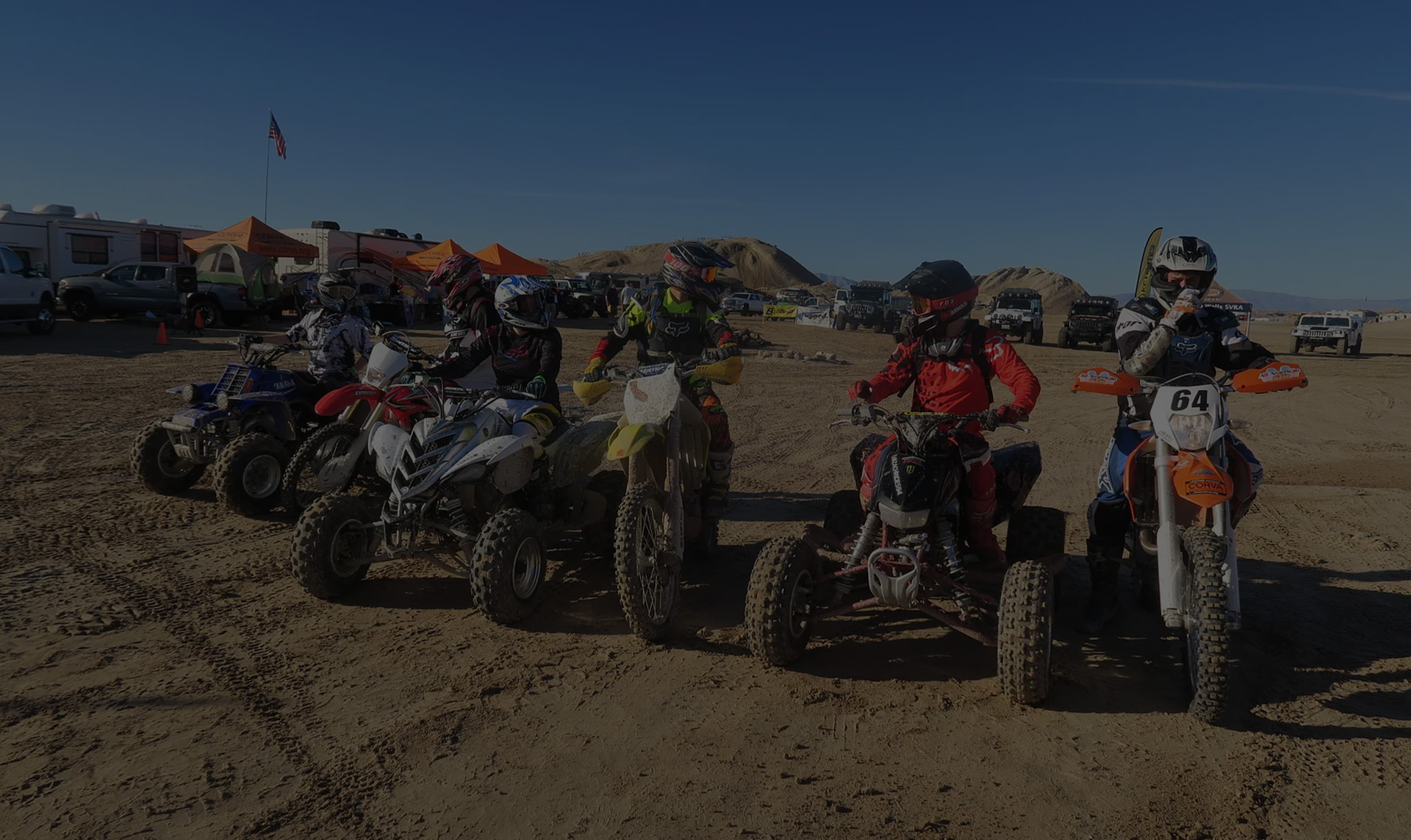
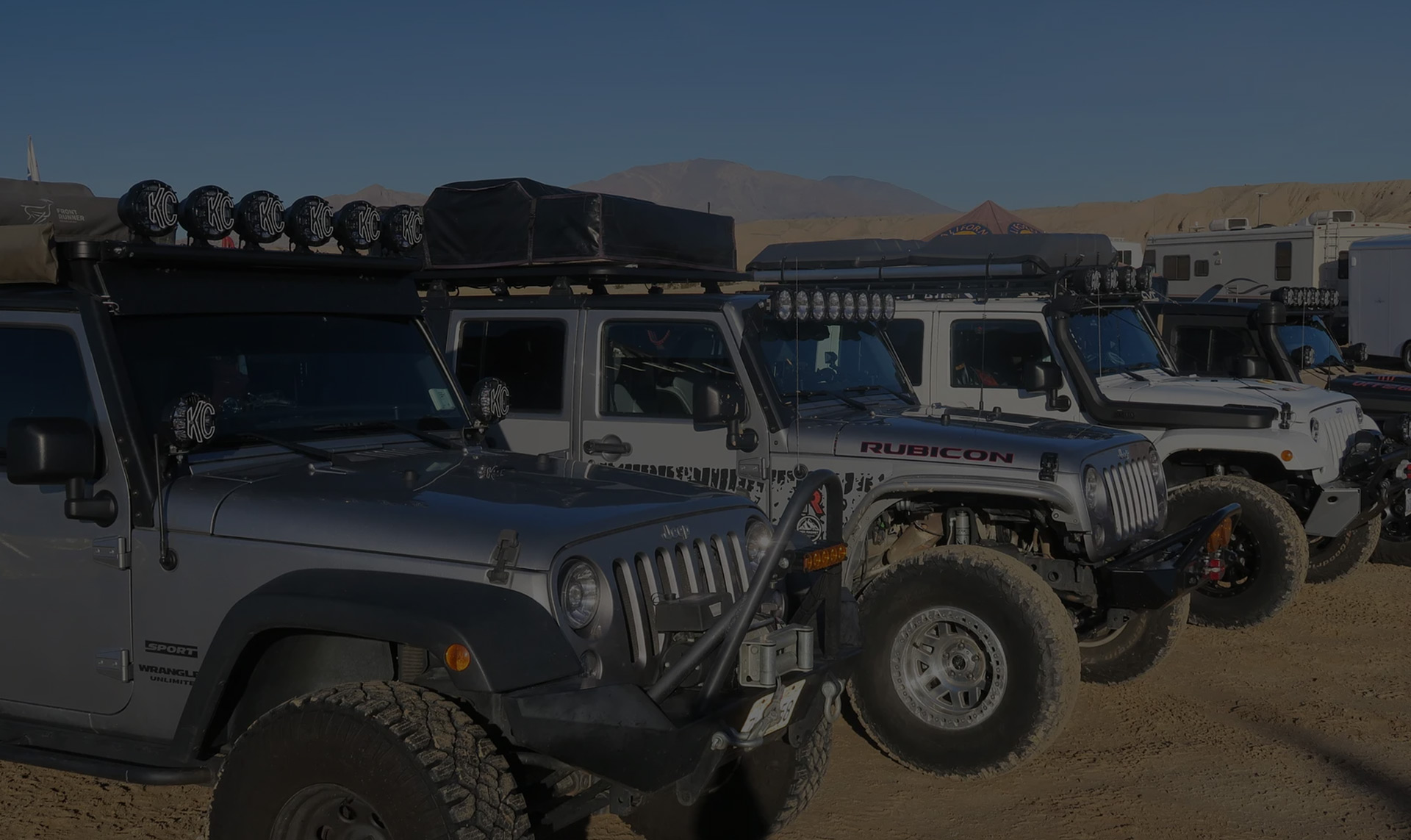
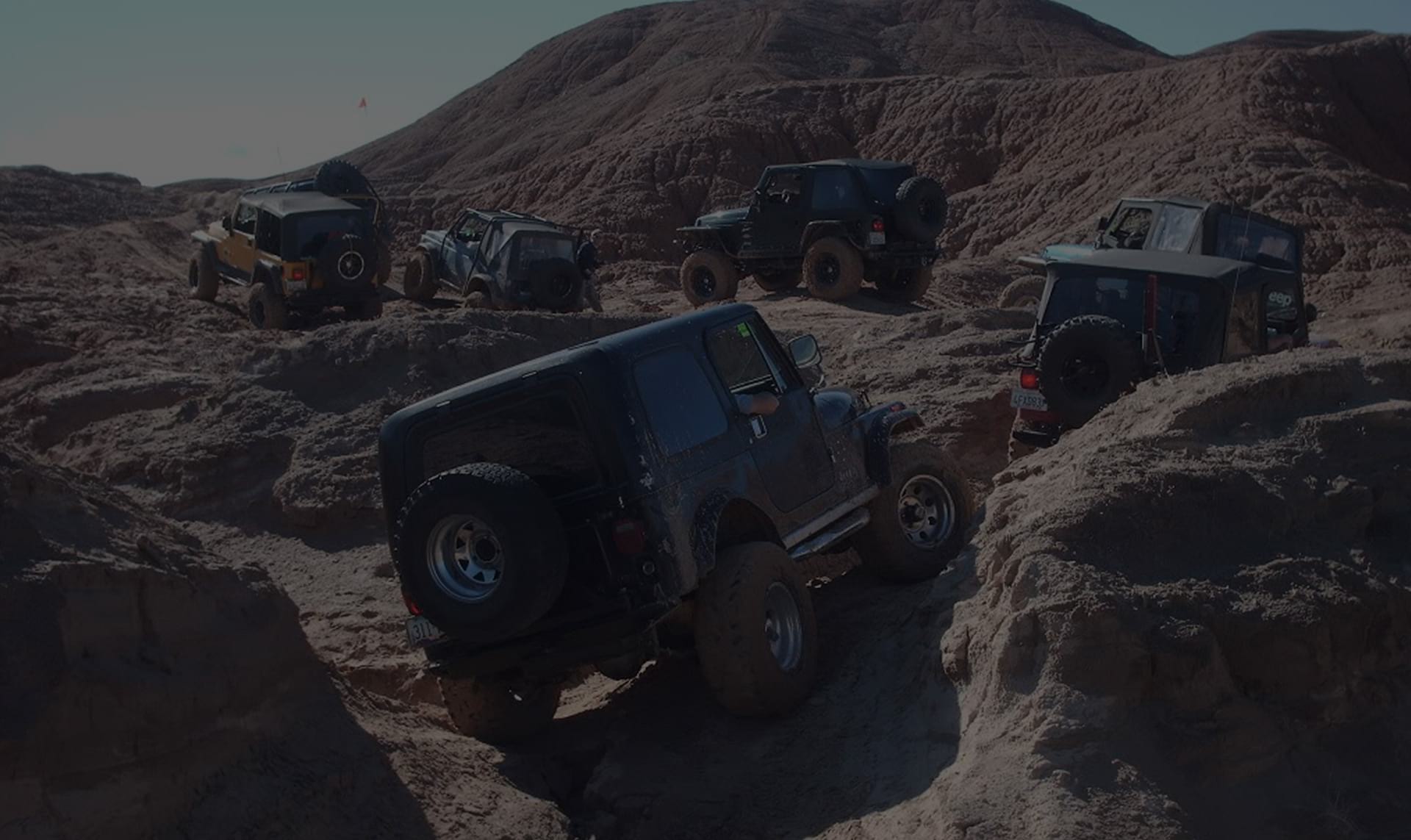
Motorized routes provide access not only for motorcycles, ATVs, side-by-sides, Jeeps, and four-wheel-drive vehicles, but also for camping, hunting, fishing, sightseeing, volunteer stewardship, and people who otherwise could not reasonably reach remote areas of their public lands.
CORVA wants the Forest Service to recognize the importance of existing legal routes, recreational connectivity, emergency access, and multiple-use recreation as future forest-level decisions are made. Where environmental concerns exist, land managers should consider responsible management solutions—including rerouting, seasonal restrictions, maintenance, trail hardening, education, signage, and enforcement—before resorting to permanent closure.
This is where CORVA members can make a difference.
Federal agencies need to hear directly from the people who actually recreate on National Forest lands.
A comment does not need to be lengthy or written by an attorney. In fact, a personalized comment explaining where you recreate and why the issue matters to you can provide valuable information for the administrative record.
Tell the Forest Service which National Forest you use. Explain whether you ride motorcycles, drive a Jeep or 4x4, use a side-by-side, camp, hunt, fish, volunteer, or explore backcountry roads. If you have experienced lost route connectivity, wildfire closures, deteriorating forest conditions, lack of emergency access, or successful examples of responsible motorized management, tell them about it.
CORVA particularly encourages members to ask the Forest Service to:
CORVA is launching an advocacy effort to help our members understand the issue, personalize a comment letter, and make their voices heard.
We strongly encourage you to personalize the provided letter. Two or three sentences about the National Forest or riding area you personally use can make your submission substantially more meaningful.
The official federal proceeding is:
Docket: FS-2025-0001 RIN: 0596-AD66 Federal Register: 91 FR 53827 Federal Deadline: September 21, 2026
One important deadline clarification for California members: the federal portal currently identifies the closing time as 11:59 p.m. Eastern on September 21, which is 8:59 p.m. Pacific. CORVA recommends submitting your comment well before the final day rather than waiting until the deadline.
Public access is protected by participation.
CORVA can meet with agencies, review environmental documents, submit organizational comments, and advocate at the state and federal levels—but there is tremendous value when individual recreationists stand beside us and put their own experiences into the public record.
Don't assume someone else will submit the comment for you.
Take a few minutes. Personalize your letter. Tell the Forest Service where you recreate and why responsible motorized access matters to you.
MAKE YOUR VOICE HEARD. PROTECT RESPONSIBLE OHV ACCESS.
California Off-Road Vehicle Association
Protecting Public Lands FOR the People — Not FROM the People!
Privacy Policy | Cookie Policy